
Wythe County Three-Day Release Limits
No verified official NRVRJ page lists all Wythe County releases during a rolling 72-hour period. The official inmate gateway leads to a named-person tool with an “Include released inmates” checkbox and a Release Date column. That is a strong local search feature. It is not a chronological three-day report, and the jail does not say that released results remain online for 72 hours.
The distinction prevents false gaps. A person may appear in the released search for longer than three days, disappear sooner, or post after an internal update. NRVRJ publishes no retention duration or update cadence for the public result. The right conclusion is limited to what appears for the named booking at the time checked.
Check Wythe County Three-Day Releases
Begin by writing the full local interval, including dates and times. Then use the public lookup to test known names while preparing a records request for the period itself. This two-track approach avoids pretending that a person-by-person database is a feed.
- Follow the NRVRJ gateway to its official lookup. If the linked HTTP tool is blocked, retain the secure gateway and call the jail.
- Search a known person by name and optional date of birth, or use one of the listed jail, state, federal, county, or ICE identifiers.
- Select “Include released inmates” and match the result to its booking number and permanent ID. Note the Release Date and the time of the search.
- Search the matching Wythe case through the Virginia court portal for bond, dismissal, sentence, or another order that explains the legal basis.
- Ask NRVRJ whether an existing release log can be supplied for the exact 72-hour interval. Request the event type and destination when a transfer is possible.
- Use VINE and the receiving agency's system when the jail event shows transfer rather than community release.
A same-day event may need a tighter review. The Released Last 24 Hours page focuses on that narrower interval and the bond-release context that often matters soon after booking.
Wythe County Released Search Fields
The NRVRJ public results expose only the fields that have been observed in the official interface. A release reason, exact exit time, receiving agency, and verified photo field are not part of the result headers. Those items may require the linked detail record or a direct records request.
| Public field | How it helps a 72-hour review |
|---|---|
| Inmate Name | Identifies the booked name and opens the linked detail. |
| Booking Number | Separates the release event from other bookings for the same person. |
| Permanent ID | Supports identity matching across NRVRJ stays. |
| Date of Birth | Helps distinguish similar names, with care for personal data. |
| Release Date | Provides the jail database date that can be tested against the requested interval. |
When an exact time is required, do not assign midnight or another assumed hour to the date. Ask for the completed release transaction. The useful request fields include release date and time, release disposition or movement type, release authority, and receiving agency or destination if another custodian took charge.
The official legacy IML layout is captured below to show the named search and results framework.
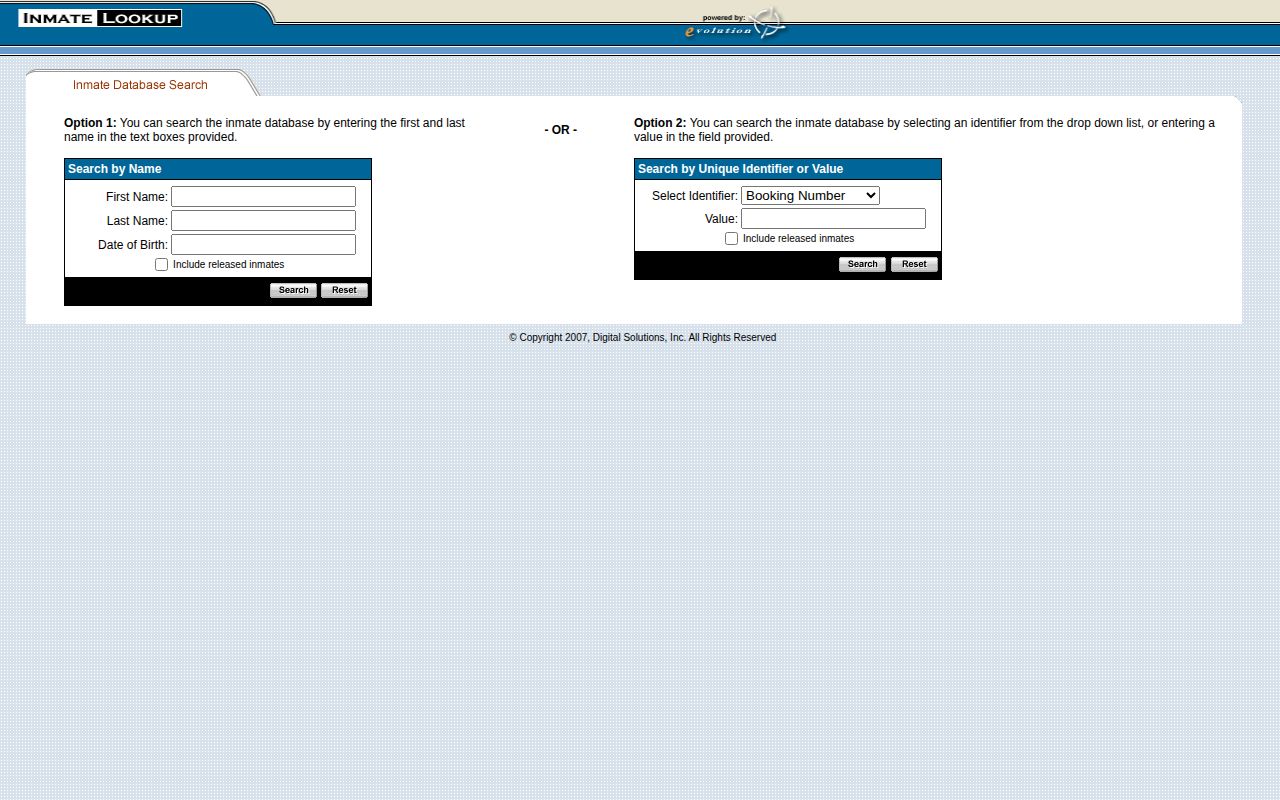
The interface image supports the observed fields. It does not turn the search into a released-in-the-last-72-hours list.
Wythe County Weekend Releases
A 72-hour interval is useful because it bridges more than one calendar day. Still, no official NRVRJ source states that weekends or holidays create a set delay. The safe method is to define the interval precisely and account for three different dates: the court event, the recorded release date, and the time the public result was retrieved.
A court order can authorize release before jail staff finish physical processing. Another charge, hold, or detainer may also prevent the person from entering the community. Conversely, a database result may post after the event. Compare the court case with the jail record and ask NRVRJ about the completed transaction when the sequence matters.
A multi-day review can contain more than one custody event for the same person. An older booking may show a release date while a newer booking remains active. Keep each booking number with its own event and search for later court cases before describing current status. A three-day list assembled from names alone can easily merge those episodes, which is another reason to favor agency records over an improvised feed.
Do not stretch a 72-hour request by using vague phrases such as “over the weekend.” State the opening and closing date and time in Virginia local time. That makes it easier for the custodian to identify an existing log and estimate any cost.
Note: A date-bounded request is the only documented route to ask for the whole interval; the public lookup remains person-specific.
Request Wythe County Release Records
Call New River Valley Regional Jail at 540-643-2000 and ask which office holds the release log or completed movement record. The jail's FOIA statement explains its public-record route. A precise request can ask whether an existing log covers the stated 72-hour interval, or can seek one person's booking and completed release or transfer record.
Virginia FOIA does not require an agency to create a new record just because a requested view is useful. The custodian may estimate actual costs, redact protected information, identify an exemption, or state that no responsive document exists. Ask for electronic copies and a cost estimate. If the Wythe County Sheriff holds the arrest or transport record while NRVRJ holds the jail transaction, the request may need to be routed between custodians.
Phrase the request around existing data. For a period, ask whether the jail keeps a release or movement log with booked name, booking number, date and time, event type, authority, and destination. For one person, supply the approximate booking date and Wythe case. Do not ask the custodian to decide whether the person was “free.” Ask for the recorded release disposition and receiving agency, then interpret those fields according to their stated meaning.
VINELink offers another event channel. Search the correct Virginia agency record and distinguish a release alert from a transfer alert. Save the event, but verify it with NRVRJ because VINE relays source-agency data and is not a permanent archive. The Wythe court case can explain bond, dismissal, time served, or another order without proving the exact door time.
Wythe County Release Versus Transfer
A release record must be classified by destination. Recognizance, bond, time served, sentence end, dismissal, or another order may return a person to the community. A move to VADOC, another jail, a hospital, USMS, or an immigration authority continues custody even though the regional jail booking ends.
| Clue | Follow-up system | What not to assume |
|---|---|---|
| NRVRJ Release Date | Jail record and Wythe court | That the person went home. |
| VINE transfer event | Receiving jail or VADOC | That transfer means release. |
| VADOC institution | State locator and records | That local roster absence ended custody. |
| VADOC district office | Probation/parole office | That supervision equals confinement. |
| No public match | Call, court, and records request | That no result proves release. |
For a named person whose path may span more than the regional jail, the Wythe County release search explains the full county, state, federal, court, and records sequence. Use the receiving system whenever the evidence points to a custody handoff.
Wythe County Release Retention Unknown
The released-inmate checkbox and Release Date column are distinctive local tools, but NRVRJ does not publish the archive period, refresh schedule, or release-code meanings. A retrieval on one day may not reproduce the same public view later. Preserve the booking number, permanent ID, displayed date, and retrieval date when the result matters.
Administrative records can remain with NRVRJ, the Wythe Sheriff, a court, or VADOC even after a public result is no longer visible. Ask the custodian about the specific record series rather than inferring a retention rule from the public interface. This gap is a research limitation, not proof that older release records were destroyed.
Technical access adds one more limit. The jail's main site is secure, but the linked legacy IML uses plain HTTP on a nonstandard port. A browser or network can block that connection. Failure to load the tool does not show that the released data no longer exists. Return to the official inmate gateway, document the failed check, and use the telephone or records route instead of substituting an unofficial source.
Note: Public visibility and agency retention are different questions; request the specific record series from the office that keeps it.